
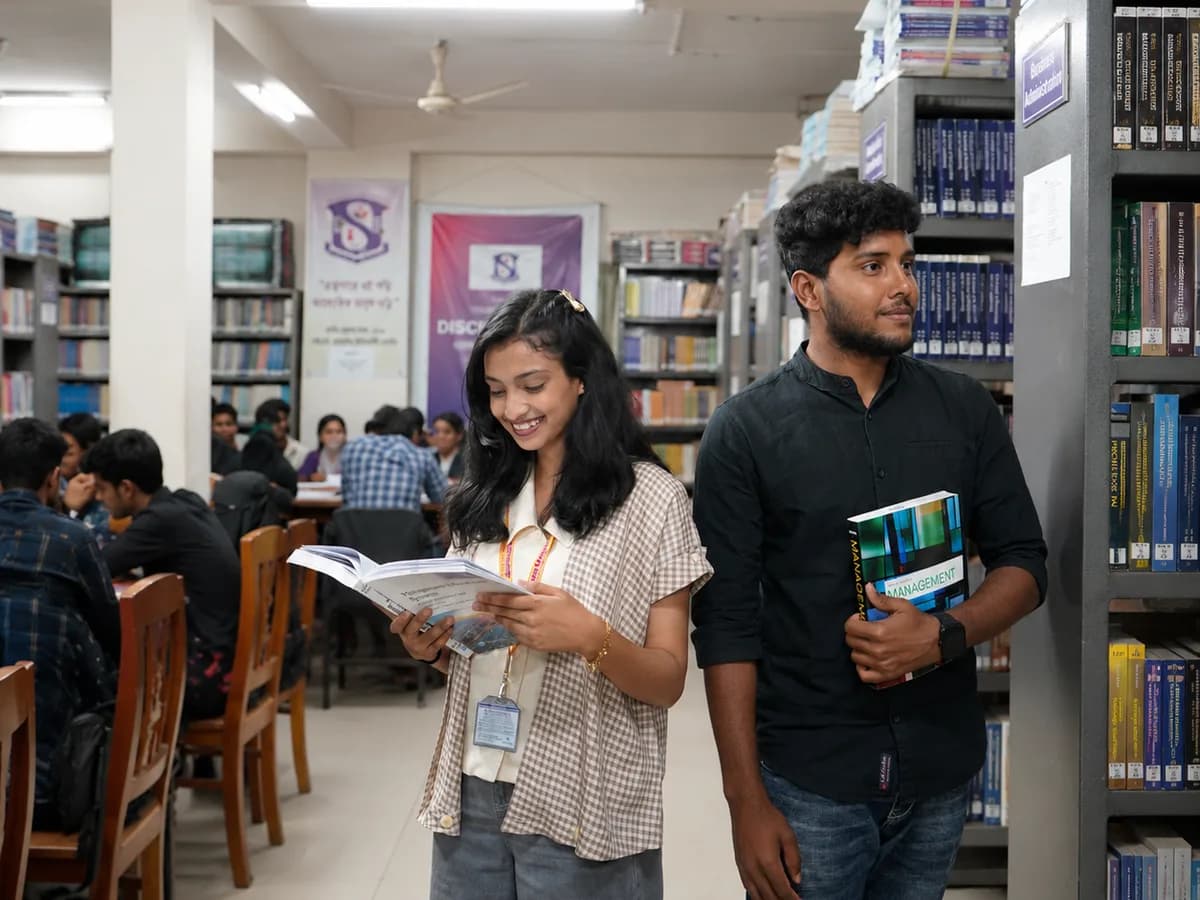
About the Library
Two campus libraries, 12,000+ books and a research repository, serving Sonargaon University since 2012.
The backbone of research at SU
The Library and Information Division (LID) began work as soon as the university was founded in 2012. It exists to meet the information, research and curriculum needs of students, faculty, researchers and staff, and the use of its resources is vital to higher study and research.
It is now a partly automated library, running the open-source KOHA system (MARC21, web-based circulation, browsable databases of books, audio-visual material and journals), with full-text online books and journals, a DSpace institutional repository and email alerts. Books, journals and theses are arranged by the Dewey Decimal Classification, 23rd edition (4 volumes). Both campus libraries have 10 computers with Wi-Fi, and offer reference, bibliography, database, reprography, internet and e-services.
- 2012Founded with the university
- 12,000+Volumes of books
- 1,600Theses
- 400Print journals, periodicals & magazines
- 20,000+E-books & e-journals
- 6,000+Registered users
- 400+Users every day
- 180Seats at a time
Message from the Librarian
Welcome to the Sonargaon University Library and Information Division (LID). This Library is one of the pioneer university libraries in Bangladesh in terms of comprehensive collections, variety of services, up-to-date technology, professionally skilled manpower, and user education. We are committed to supporting all the activities, vision, mission, and programs of the University through services geared towards the retrieval, acquisition, preservation, and dissemination of information in various forms and formats. The staff of LID are here to serve you, and we hope you will feel comfortable and at home in the library.
SU Central Library is an integral part of the university, designed to meet the information, research, and curriculum needs of its students, faculty, and staff. It is the backbone of the research and development activities of Sonargaon University, with comprehensive collections of print, non-print, and computer resources for all users.
As Acting Librarian, I oversee a dedicated team who acquire, catalog, preserve, and make available our collections both within the library and through the Internet. The Library’s mission is to enable staff and students to engage optimally with the ever-changing information environment and achieve the highest standards of international excellence.
I invite you to visit the library and enrich yourself. I hope every student and faculty member will use the library’s facilities and services whenever necessary.
In the heart of Dhaka
Green Road campus library
147/I Green Road, Dhaka-1215
2,400 sq ft · ground floor of a five-storey building
Reading room & stacks for
- BBA
- MBA
- Civil
- Mechanical
- Computer Science
- Economics
- Law
- Social Welfare
- BA
Mohakhali campus library
GP Ja-146, Wireless Gate, Mohakhali, Dhaka-1212
1,200+ sq ft · fifth floor
Reading room & stacks for
- Mechanical
- Textile
- EEE
- Naval (Marine)
- Fashion Design
- Apparel Manufacturing & Technology
- Architecture
To become a reputable, leading research library in the country.
Sonargaon University aims to be a centre of excellence for higher education, research and development in Arts & Humanities, Business, Science and Engineering. To meet the demands of a modern library, LID keeps building its print and electronic collections, including the UGC Digital Library (UDL) and Research4Life membership: Hinari, AGORA, OARE, ARDI and GOALI, free or low-cost access to more than 100,000 leading journals and books in health, agriculture, environment, applied sciences and law.
To enable and enrich the teaching, learning and research of the University with flexible access to information, and distinctive collections, services, facilities and programmes.
- Fulfilling the course-related needs of undergraduate students
- Meeting the scholarly needs of graduate students and faculty members
- Giving users access to the subscribed e-resources
- Equipping users with the skills and resources for continuous lifelong learning
- Promoting information services in a way that reflects the distinctive character of the university
We aim for a dynamic, efficient learning environment, and high-quality, innovative information services, in a rich physical and virtual space for the open exchange of ideas across the University.
What the library sets out to do
Support and facilitate the research, learning, teaching and administrative work of the University by organising, maintaining and providing wide-ranging scholarly resources, so users get the most benefit in the least time.
Provide an appropriate and comfortable environment, accommodation and facilities for using library resources.
Help the University emerge as one of the leading universities in the country.
Identify, acquire, organise, store and give on-demand access to the intellectual and research products of scholars.
Give greater access to digital collections while building and improving collections in all formats for every programme.
Foster information literacy in the SU community, so users think critically, create knowledge and keep learning for life.
Develop a strategic plan and policy document for the SU Digital Repository.
Provide and ensure quality services and good professional practice.
Support professional and support staff development through continuous programmes.
Provide high-quality, comprehensive training that keeps pace with the changing needs of students.
Promote awareness of the importance of higher education and research for social and economic development at an affordable cost.
Collections, spaces and people
Information desk
Beside the entrance. Books are issued, returned, renewed and put on hold here, with your library card.
Library e-resources
Some current periodicals in print, and access to more than 20,000 full-text e-books and journals through the Research4Life consortium, UGC–Wiley Online and other important free resources.
Institutional repository
Built on DSpace since 2020: full-text graduate and master's theses and dissertations and SU journal articles from 2012 onwards, more than 1,200 items and growing.
Periodicals & newspaper area
In both campus libraries: bound volumes and current issues of journals, and the daily newspapers.
Reference materials
Encyclopedias, dictionaries, bibliographies, research handbooks and guides, catalogues, directories, journals, newspapers, periodicals, magazines, atlases and maps, newsletters, research reports and theses, in language, law, current affairs and more. Reference material is read inside the library only; it cannot leave the reading area. The print journals matter most to users who do their research in the library.
Orientation & training
Every year a Library Orientation Programme for newly admitted students of every department, and a training programme, “How to use e-Resources effectively”, on using internet resources and our own repositories in study and research. Shelves are open: every book in the library is free to use.
Services
Lending, reference, readers’ guidance, internet, reading, news clipping, database searching and printing, CD writing, audio-visual, current awareness, SDI and reprography. Wi-Fi and broadband across the library, with TV, microfilm reading, printing, scanning and photocopying in the central library.
Library management
Management, procurement and processing of resources, readers' services, circulation and reference are run by a team of professional and semi-professional officers and staff, led by a professional librarian.
June 2012 – August 2020
- June 2012
The Library and Information Division (LID) is founded along with Sonargaon University.
- February 2016
The first Library Day is held.
- February 2017
Library Day is held again.
- June 2017
Closed-circuit cameras introduced for surveillance.
- March 2018
Free Wi-Fi in both campus libraries.
- April 2019
KOHA library management software first installed.
- September 2019
Membership of Research4Life; electronic access to journal articles and books.
- July 2020
Digital institutional repository set up on open-source DSpace.
- August 2020
The library’s own website launched (www.sulibrary.edu.bd).
Library Committee
- ChairmanVice-Chancellor, Sonargaon University
- MemberPro-Vice-Chancellor, Sonargaon University
- MemberTreasurer, Sonargaon University
- MemberAll Deans, Sonargaon University
- MemberThree members of the Academic Council, appointed by it for two years and not eligible again until the full cycle is complete; seniority gets priority
- Member SecretaryLibrarian, Sonargaon University
What the library planned
A. Library & academic professional development
- Develop, design and update the library webpage as an easy way into SU library resources, services and the OPAC.
- Install and implement DSpace and MARC21 to build an easy, effective and efficient digital library.
- Organise a training workshop on searching electronic resources for academic and library professionals.
- Current Awareness Service (CAS) and Selective Dissemination of Information (SDI) for users on demand.
- Library orientation for new students.
- Get a server, or space on a hired server, for the SU Journal, project reports, theses and dissertations.
- Extend the library space, urgently needed to open new sections and offer advanced information services.
- Re-arrange and modify seating for a smoother study environment.
- Clean, paint and design the indoor walls for a better look.
- Arrange exhibitions and book fairs from time to time.
- Counsel users and keep a silent study environment, for groups and individuals.
B. Regular work schedule
- Phone earlier students who submitted theses without a soft copy and collect the soft copy (CD), to build the digital repository.
- Library officers call at least 30 students a day to collect thesis soft copies.
- Prepare a list of the CDs already held.
- Classify by DDC and catalogue daily in KOHA: at least 10 records per officer.
- Prepare library cards, due slips and book pocket cards and paste them in as needed.
- Scan old theses that have no CD: at least one (70–100 pages) a day per officer.
- Give library clearance to 10–15 students and faculty members a day.
- Monitor CCTV during office hours every day.
- Issue and receive library resources for students, faculty and staff on demand.
- Check the shelves at the end of every day for books, theses and reference material in order.
- Keep the library clean inside and out.
- Collect book lists from faculties, researchers and students and prepare a department-wise demand list each semester or half-year.
- Guide students and faculty to subject-wise material in e-resources and print.
- Best Library User Award: prepared every year on visits, study and discipline.
- Prepare overdue lists often and send them to the students and teachers concerned.
- Maintain inter-library loan operations, records and files.
- Keep close liaison with relevant people and institutes inside and outside the university, such as the UGC and the Ministry, at home and abroad.
- Keep the user entry register.
- Provide reference and current awareness services.
- Guide students in browsing the internet over Wi-Fi.
- Re-arrange seating to increase study space.
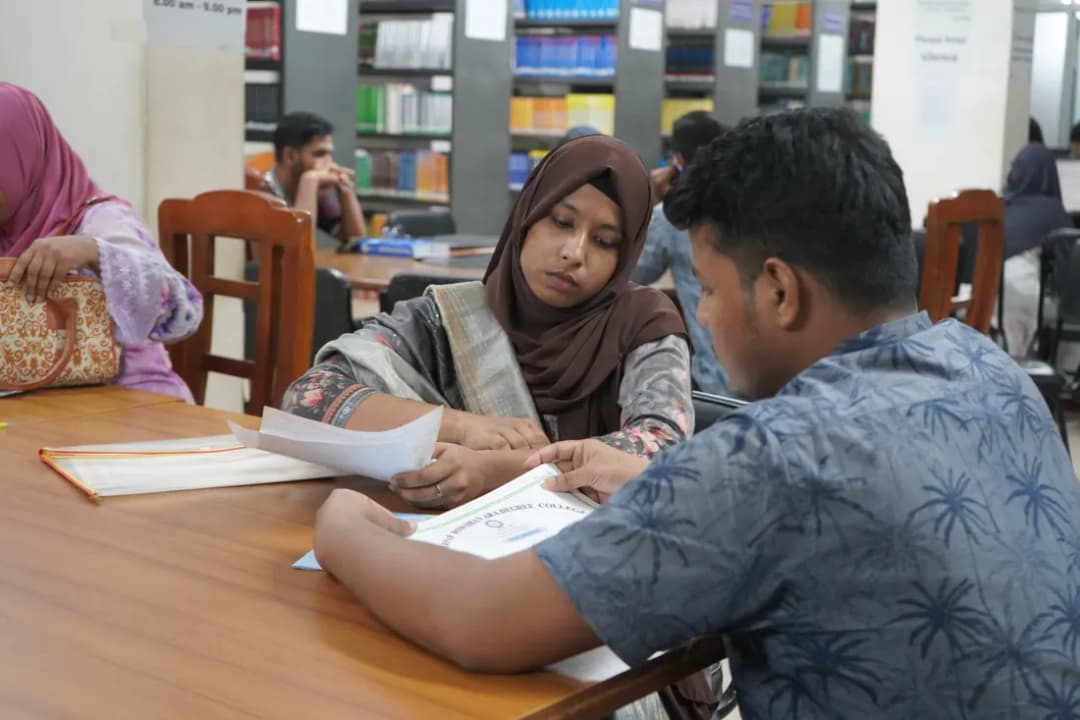
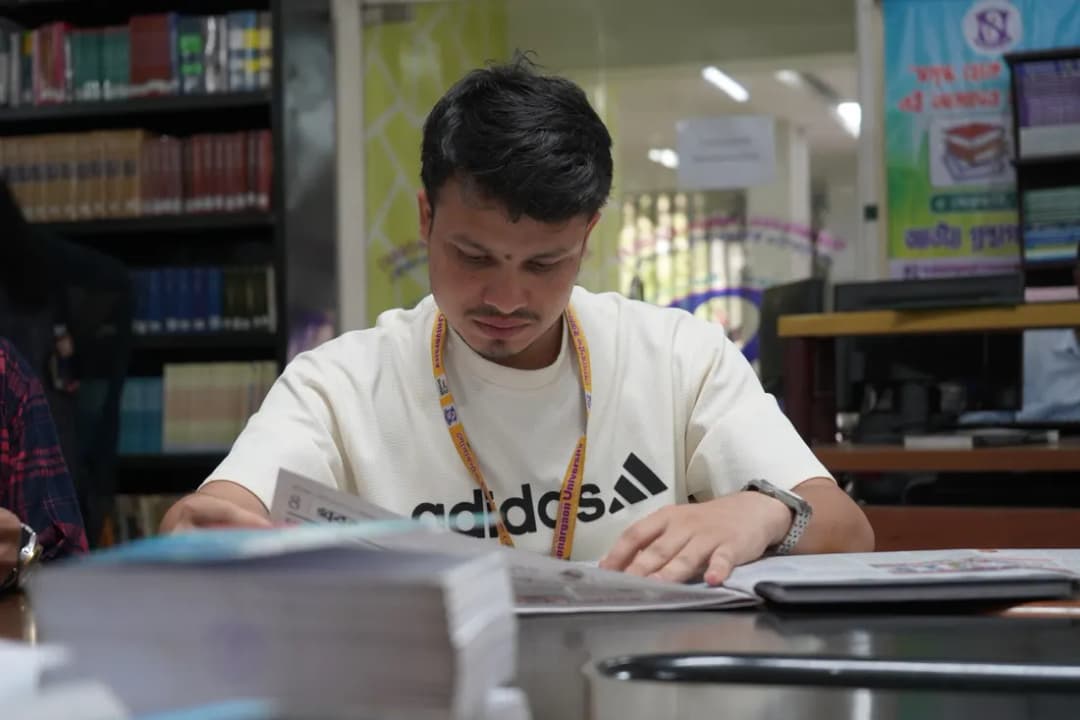
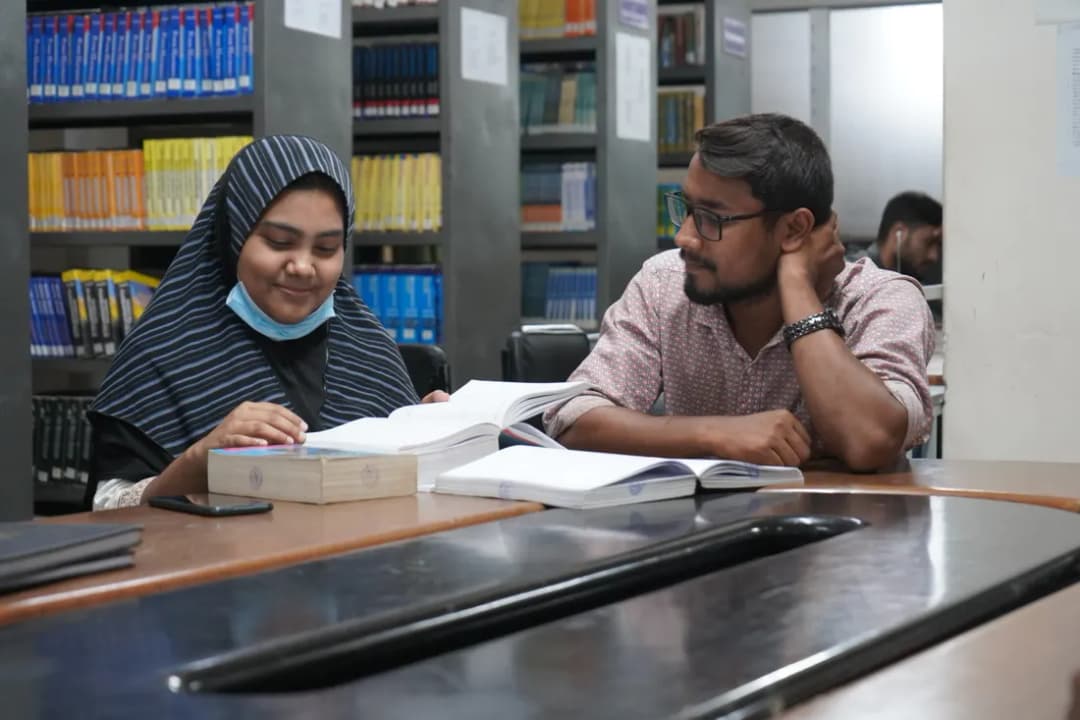
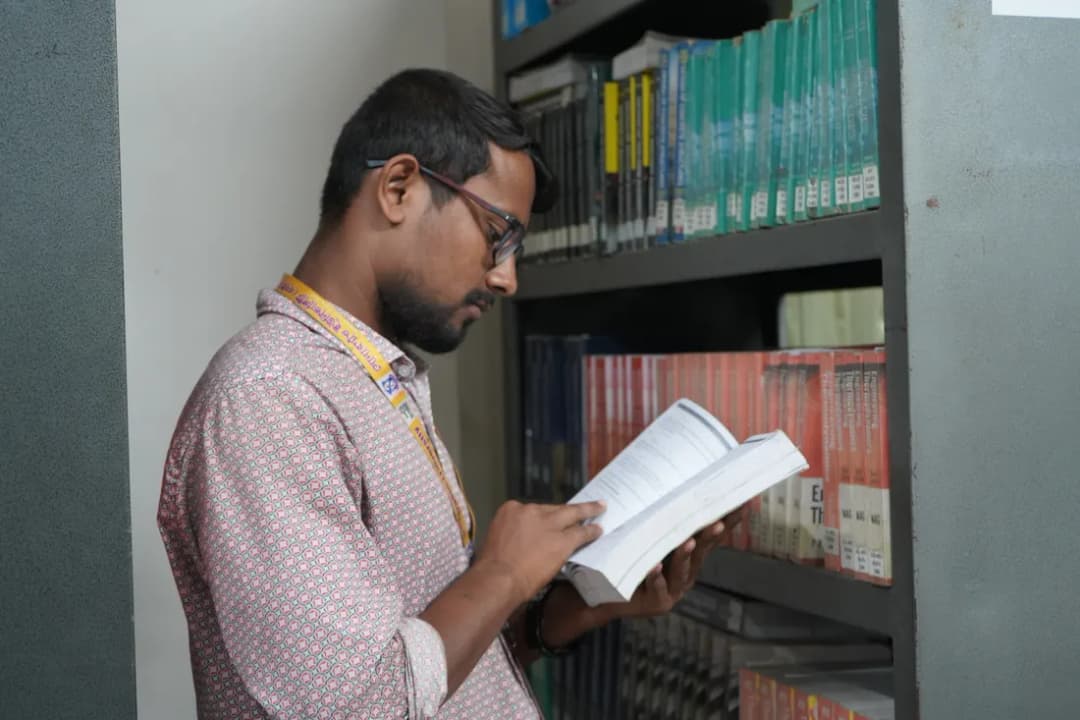
Reading rooms, collections and quiet corners
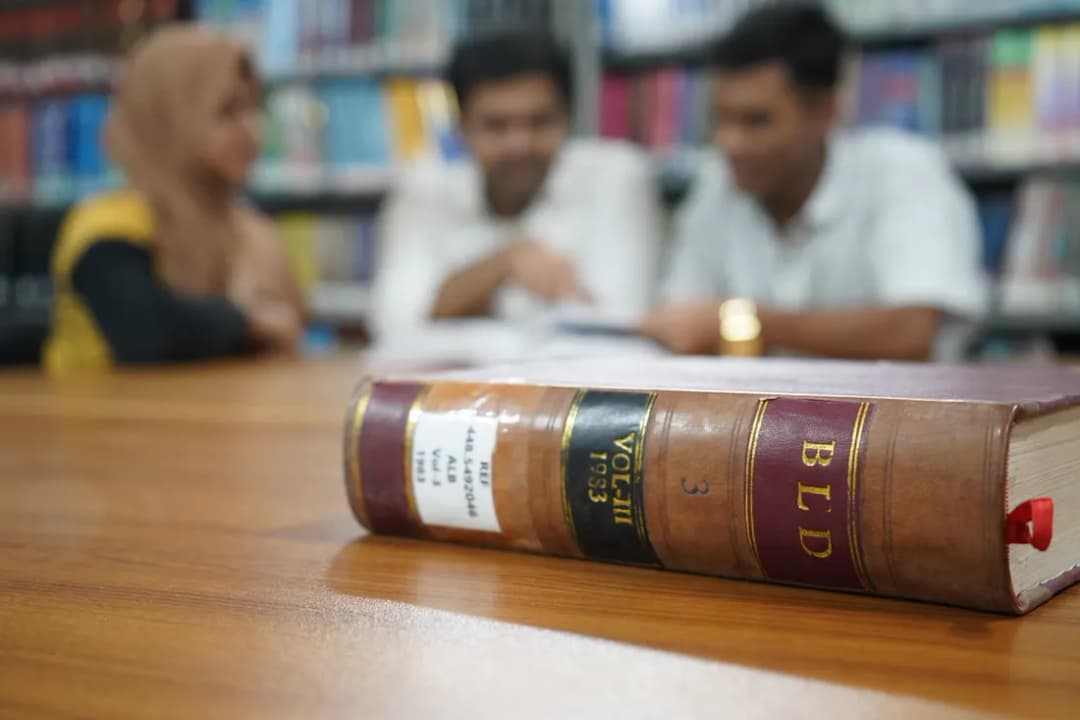
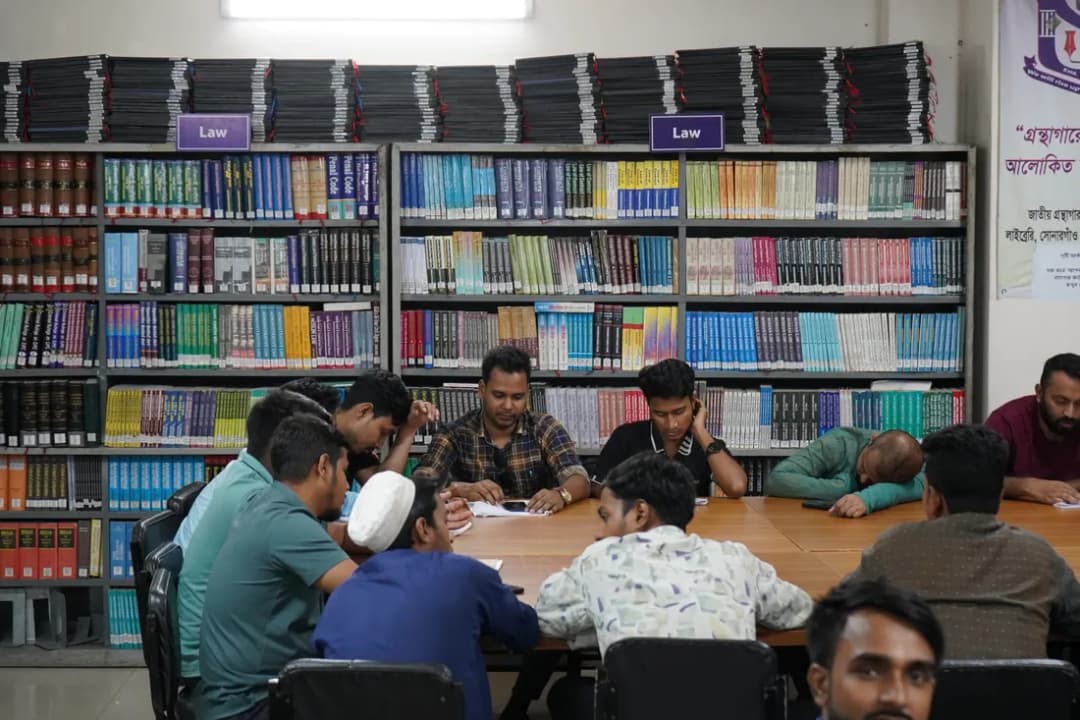
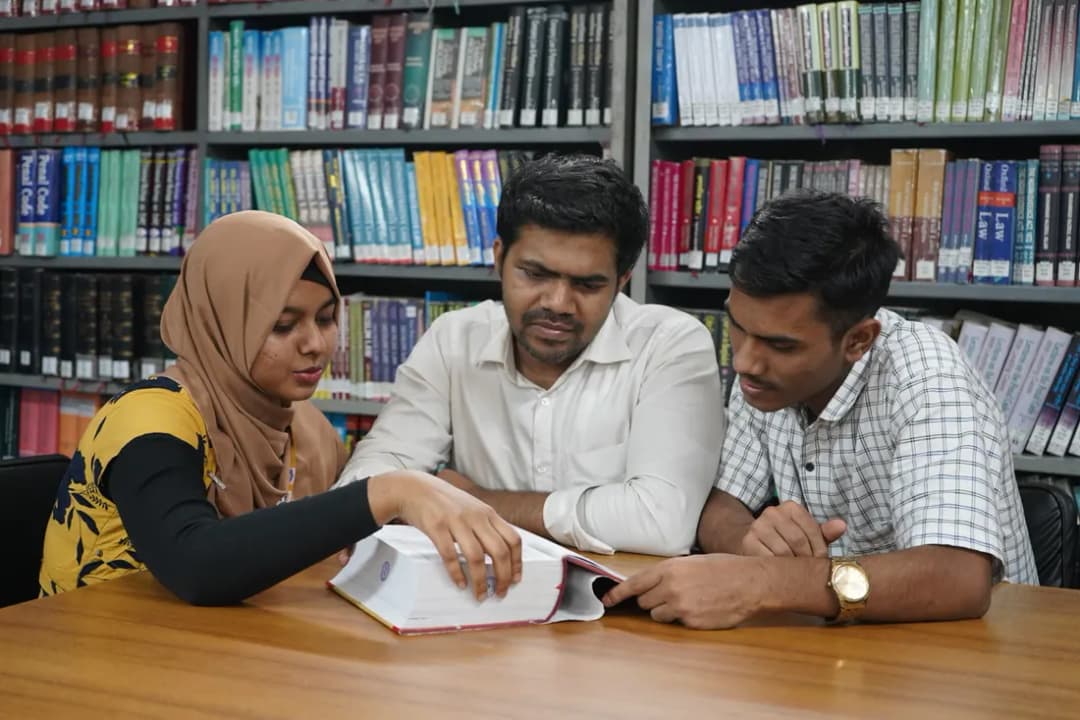
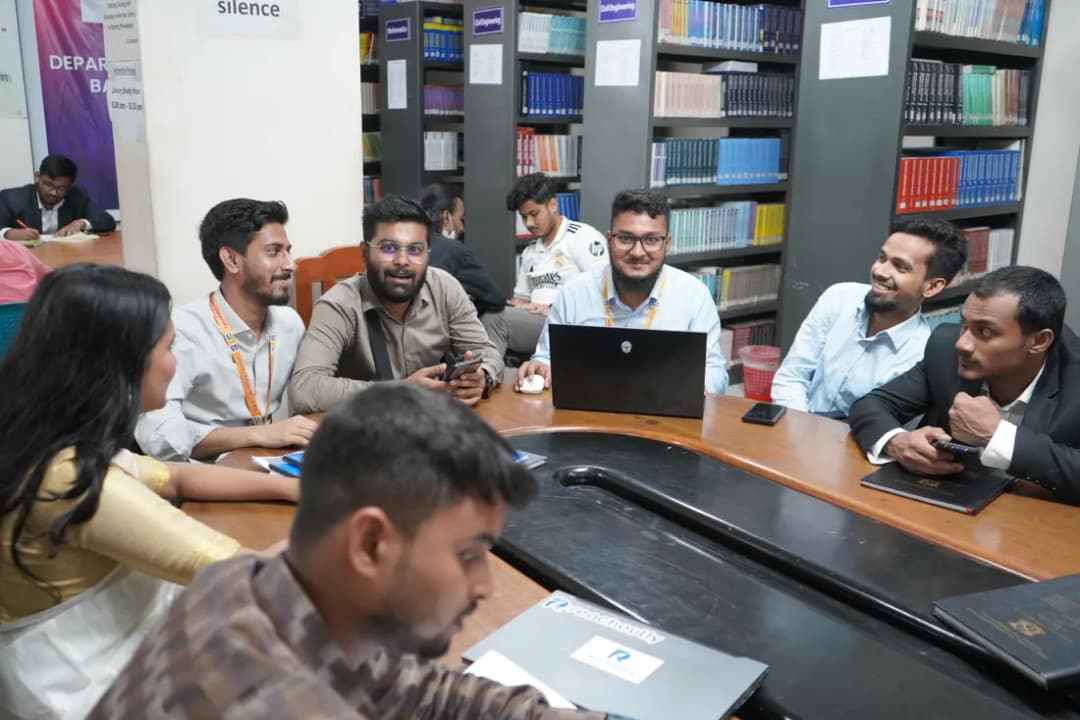
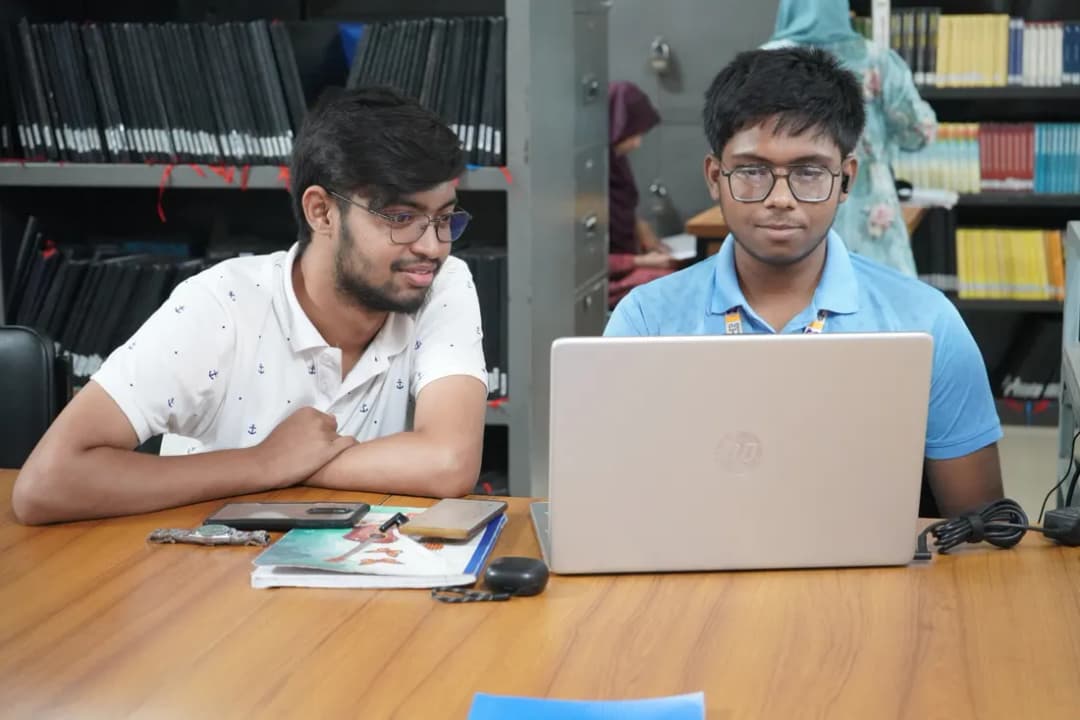
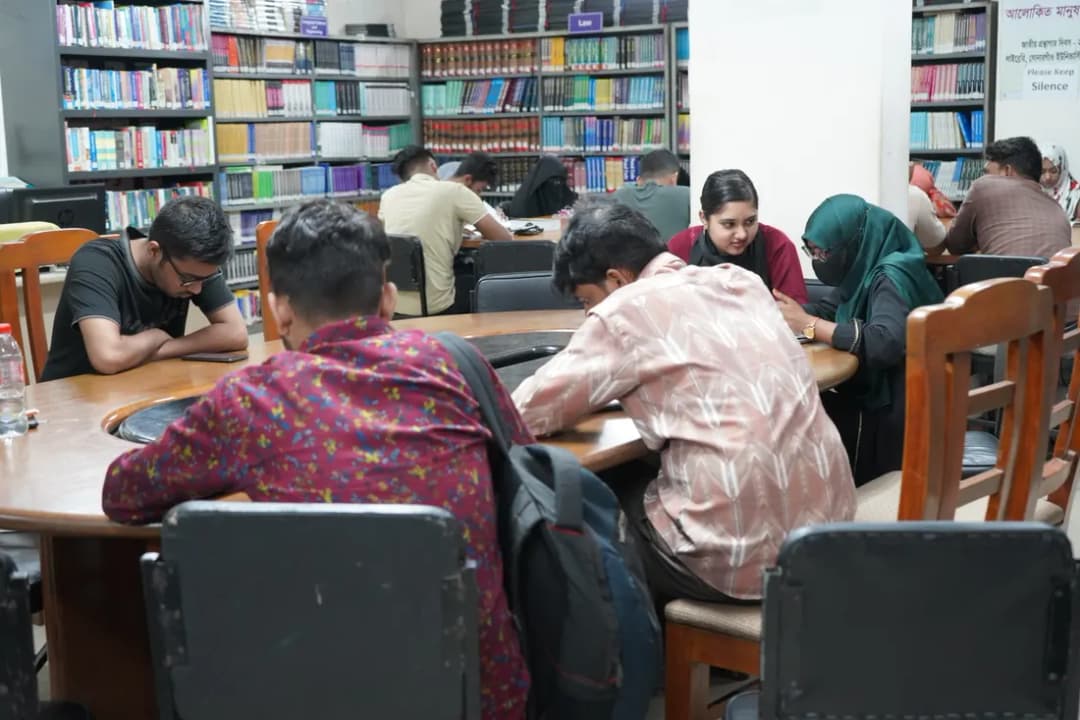
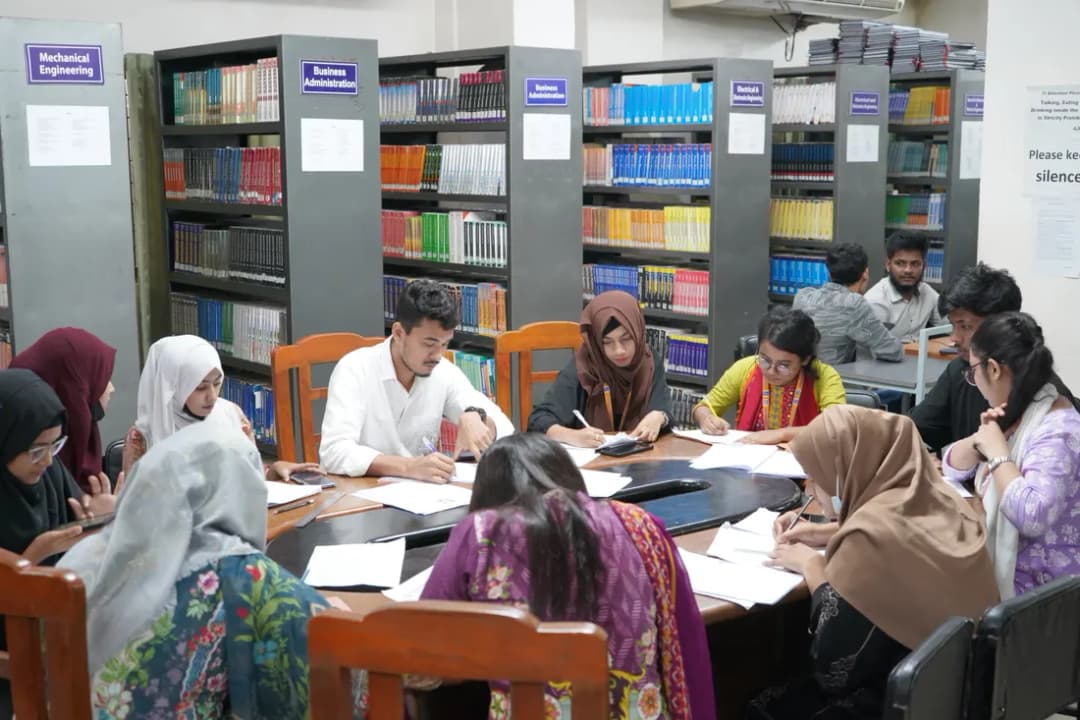
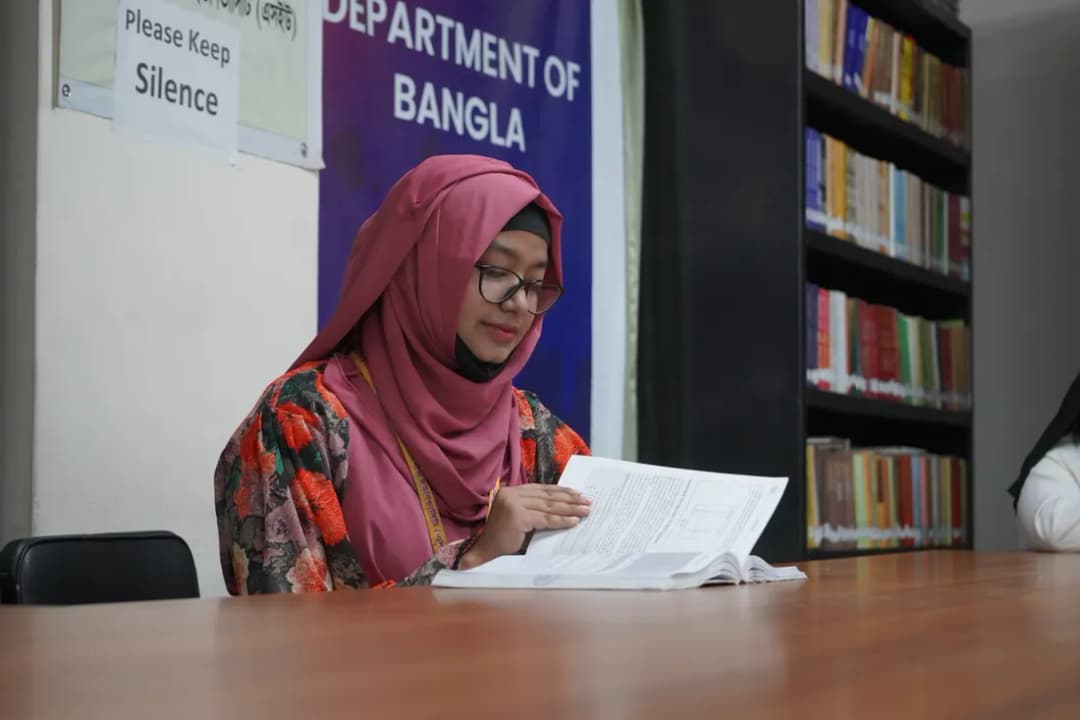
From the library’s previous website (recovered 10 October 2026), which also listed SU online journals and publications at www.su.edu.bd/lid. Figures may have changed since.